Explore Chefchaouen Morocco: The Ultimate Blue City Guide
Forget the overwhelming sensory rush of Marrakech’s souks or the ancient complexities of Fes. Deep in the heart of Morocco’s Rif Mountains lies a city that operates on a different frequency. Welcome to Chefchaouen Morocco, the legendary “Blue Pearl.”
While photos of its dazzling blue alleyways have flooded social media, no picture can truly capture the tranquil, otherworldly atmosphere of this unique destination. Unlike its imperial counterparts, the blue city invites you to slow down, to wander aimlessly, and to simply be.
This is more than just another stop on a Moroccan itinerary; it’s an escape into a dreamscape. As a travel expert specializing in Morocco, I’ve distilled everything you need to know into one definitive guide. Whether you’re planning a quick visit or a slow, immersive stay, consider this your ultimate blueprint for navigating the magic of Chefchaouen Morocco.
Why Is Chefchaouen Morocco Blue?
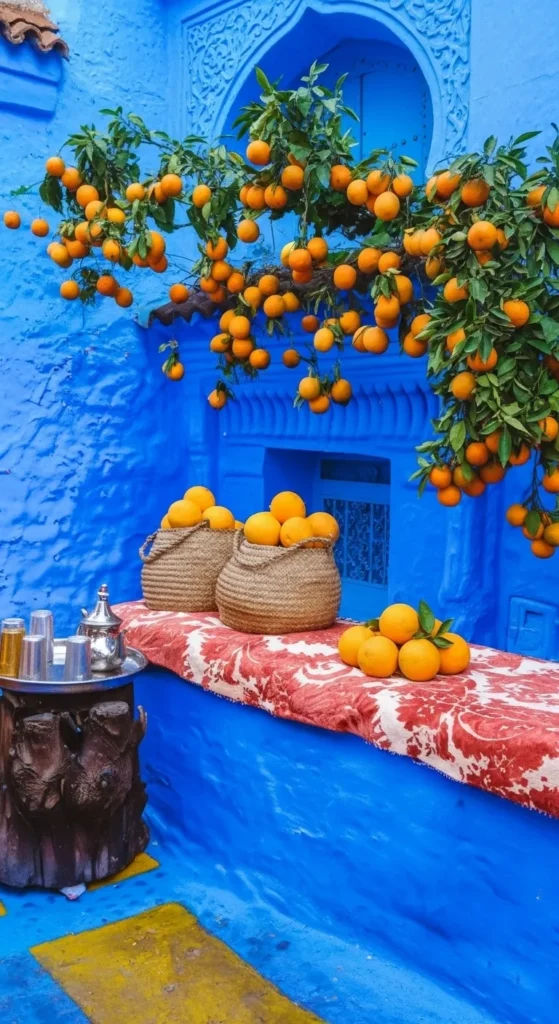
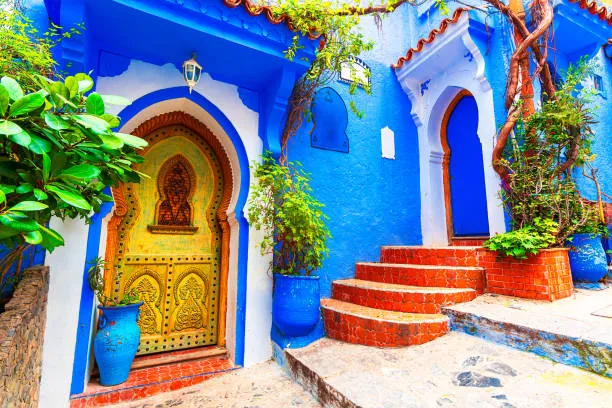
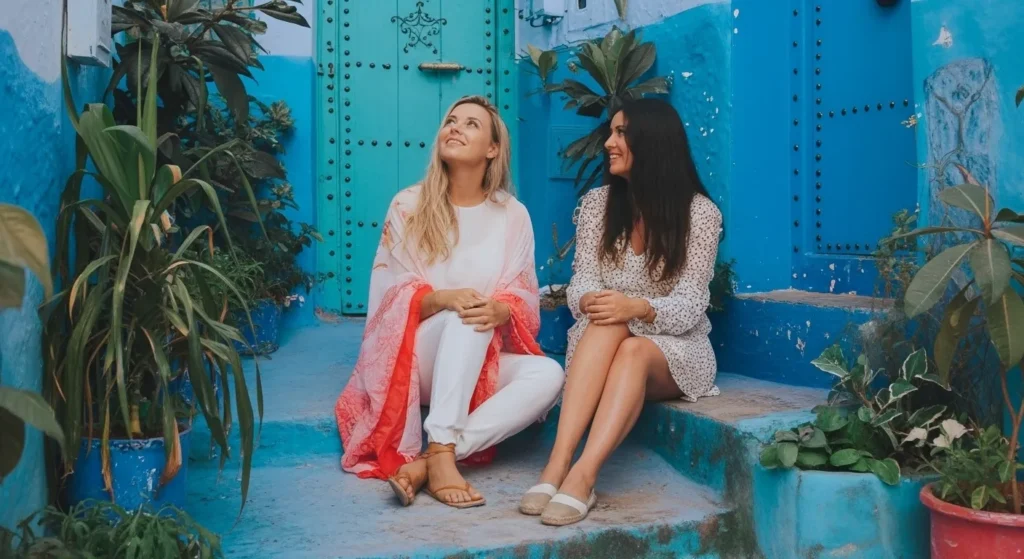
The first question on everyone’s mind is: why all the blue? Walk through the chefchaouen medina, and you’ll find the walls, doors, and steps washed in hundreds of shades, from baby blue to vibrant cobalt.
While there’s no single confirmed answer, the charm lies in the theories:
- Jewish Heritage: The most popular theory links the blue to Jewish refugees who fled Spain in the 15th century. They brought their tradition of painting buildings blue to symbolize the sky and heaven, reminding them of God’s presence.
- Mosquito Repellent: A more practical, though less romantic, theory is that the blue color repels mosquitoes, as the insects dislike clear, moving water, which the blue mimics.
- Symbol of Peace & Water: Others believe the blue represents the color of the Mediterranean Sea or the nearby Ras el-Ma waterfall, the town’s lifeblood. It’s seen as a symbol of peace, purity, and spirituality.
Today, this blue village morocco is a living tradition, with locals regularly repainting their homes to keep the city vibrant and clean.
Logistics & Planning: The Nitty-Gritty
Planning your trip to Chefchaouen Morocco is straightforward, but its mountain location requires a little forethought.
Best Time to Visit
While beautiful year-round, the best times to visit are during the shoulder seasons:
- Spring (March – May): The weather is perfect, the surrounding hills are lush and green, and the city isn’t yet at its peak tourist capacity.
- Autumn (September – November): The summer heat has subsided, and the crowds begin to thin, making for a more relaxed exploration.
Summer (June – August) can be very hot and crowded, while winter (December – February) can be quite cold and rainy, though you’ll have the city mostly to yourself.
How to Get to Chefchaouen Morocco
Chefchaouen does not have its own airport or train station. The best way to arrive is by road from one of Morocco’s major northern hubs.
| From | Transport Option | Approx. Travel Time | Pro-Tip |
|---|---|---|---|
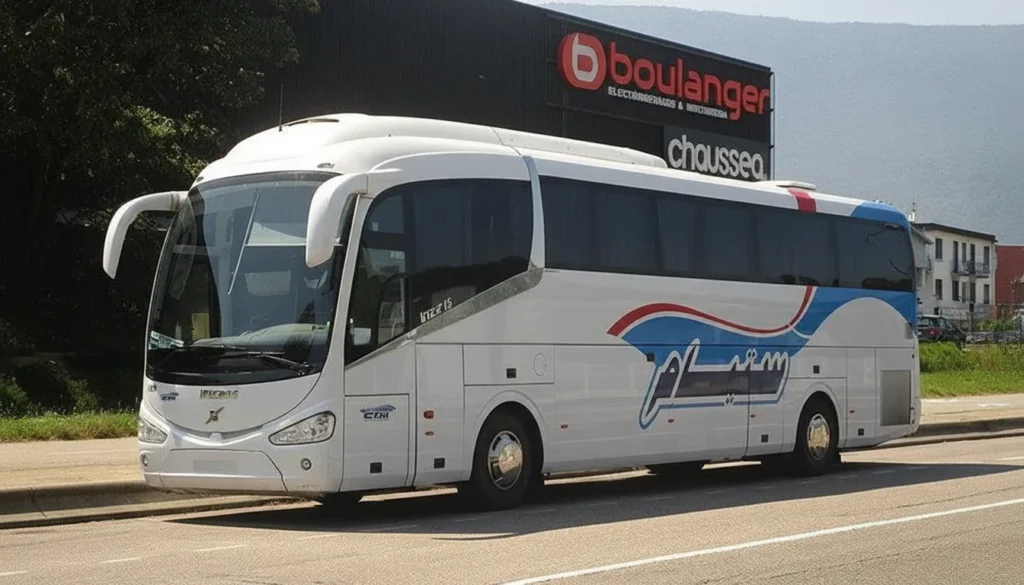
| Tangier | CTM Bus | 2.5 – 3 hours | The easiest and most common route. Book CTM online in advance. |
| Grand Taxi | 2 – 2.5 hours | Faster, but you’ll need to wait for the taxi to fill (6 people) or buy all the seats. | |
| Fes | CTM Bus | 4 – 4.5 hours | A scenic route through the mountains. This is a very popular bus route. |
| Private Driver | 3.5 – 4 hours | The most comfortable and flexible option, allowing for photo stops. | |
| Casablanca | CTM Bus | 6 – 7 hours | A long travel day. It’s often better to go via Tangier or Rabat. |
Getting Around the Blue City
Once you arrive, your best mode of transport is your own two feet. The chefchaouen medina (old city) is a pedestrian-only maze of steep, cobbled alleyways.
Expert Tip: Be prepared for hills! This city is built into the side of a mountain. If you have mobility concerns, look for a riad or guesthouse located near the main square (Plaza Uta el-Hammam) or one of the medina’s main entry gates to minimize uphill walking.
Where to Stay
From luxury riads to budget-friendly hostels, Chefchaouen has accommodations for every style.
- Luxury (e.g., Lina Ryad & Spa): For those seeking comfort, high-end service, and often a pool. These riads offer a stunning, restorative experience.
- Mid-Range (e.g., Dar Echchaouen): The sweet spot. These guesthouses and riads offer beautiful traditional decor, great breakfasts, and helpful staff at a reasonable price.
- Budget (e.g., Riad Baraka): Hostels and simple guesthouses are plentiful. They are a great way to meet other travelers and save money, while still being located within the beautiful blue medina.
Top Experiences in Chefchaouen Morocco
So, what to do in Chefchaouen Morocco? The main activity is simply existing. It’s a city for wanderers.
The Must-Dos: Exploring the Chefchaouen Medina
- Get Lost in the Medina: This is the #1 activity. Put away your map and just walk. Every corner reveals a new shade of blue, a beautiful doorway, or a sleeping cat.
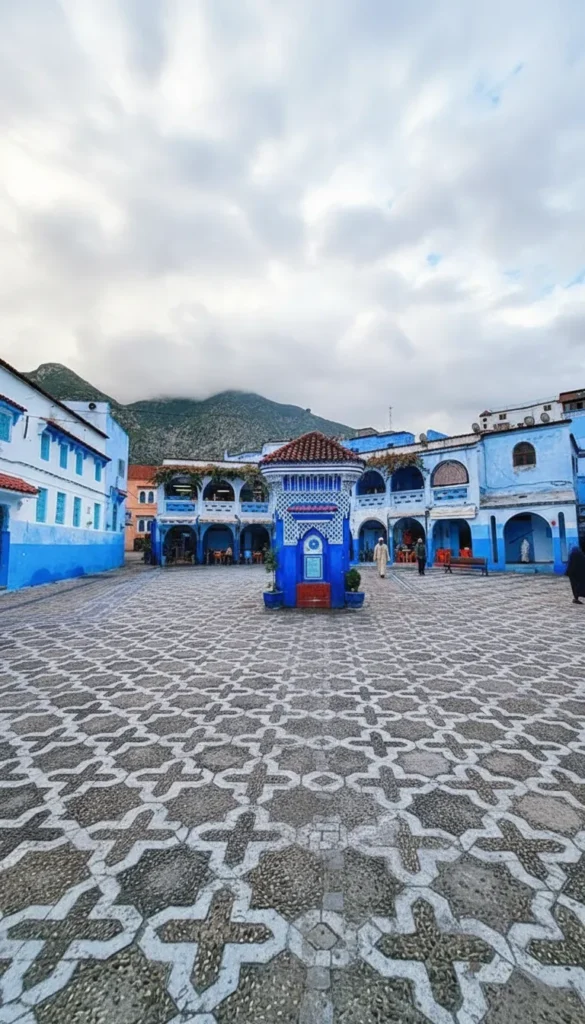
- Plaza Uta el-Hammam: The heart of the medina. This bustling, tree-lined square is the perfect place to grab a mint tea and people-watch.
- Visit the Kasbah Museum: Located on the main plaza, this restored 15th-century fortress offers a fascinating look at local history, a small art gallery, and a beautiful Andalusian-style garden. The tower provides a great view over the square.
Beyond the Blue: Hidden Gems
- Hike to the Spanish Mosque: For the absolute best sunset view over the blue city, take the 30-minute uphill walk to the abandoned Spanish Mosque. The panoramic vista as the city lights up is unforgettable.

- Day Trip to Akchour Waterfalls: If you have an extra day, take a 45-minute taxi ride to Akchour. A beautiful 2-hour hike takes you to a stunning grand waterfall (Grande Cascade), with smaller pools to swim in along the way. Don’t miss the “God’s Bridge” trail nearby.
- Experience a Local Hammam: For a truly authentic Moroccan experience, visit a traditional public hammam (like Hammam El-Masloum). It’s a no-frills, invigorating steam bath and scrub-down.
Unique Ways to Experience Chefchaouen
A Photographer’s Guide to the Blue Pearl
To capture those “Instagrammable” shots, you need a strategy:
- Go Early: The chefchaouen medina is a different world at 7 AM. You’ll have the empty, silent blue streets all to yourself, with soft morning light.
- Look for Details: The best photos aren’t always the wide-angle street shots. Focus on the details: the intricate door knockers, the colorful flower pots against a blue wall, the textures of the cobblestones.
- Find the “Famous” Spots: Ask locals for the “Instagram” spots—they’ll know. These curated alleyways are often decorated with extra flower pots and carpets for photos (a small tip is often expected).
Finding Authenticity: Respectful Tourism
It’s easy to forget that this is not a theme park. People live, work, and pray here.
Please remember, these blue doorways are people’s homes, not photo props. Be respectful. Don’t block entrances, keep your voice down (especially in the early morning), and always ask for permission before taking a photo of a person, including shopkeepers. A polite “as-salamu alaykum” (peace be upon you) goes a long way.
The Flavors of Chefchaouen: What to Eat
The food in Chefchaouen is influenced by its mountainous location and Spanish heritage.
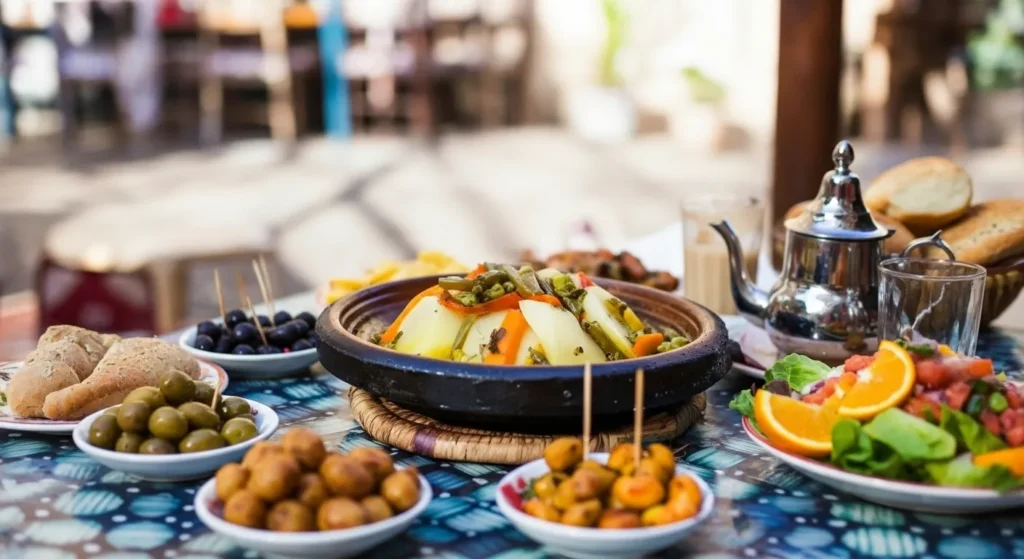
- Local Goat Cheese (Jben): This is a must-try. The region is famous for its fresh, creamy goat cheese, often served with bread and olive oil for breakfast.
- Tagine: As everywhere in Morocco, Chefchaouen serves excellent tagines. Look for goat (a local specialty) or chicken tagines.
- Bissara: A thick, hearty fava bean or split pea soup, often eaten for breakfast by locals. It’s cheap, delicious, and warming on a cool mountain morning.
- Rooftop Dining: The best culinary experiences are often on a rooftop. Restaurants like Casa Aladin or Morisco offer good food with spectacular views over the Plaza and the medina.
A Shopper’s Guide: What to Buy
The shopping here is more relaxed than in Fes or Marrakech. The city is known for its unique local crafts.
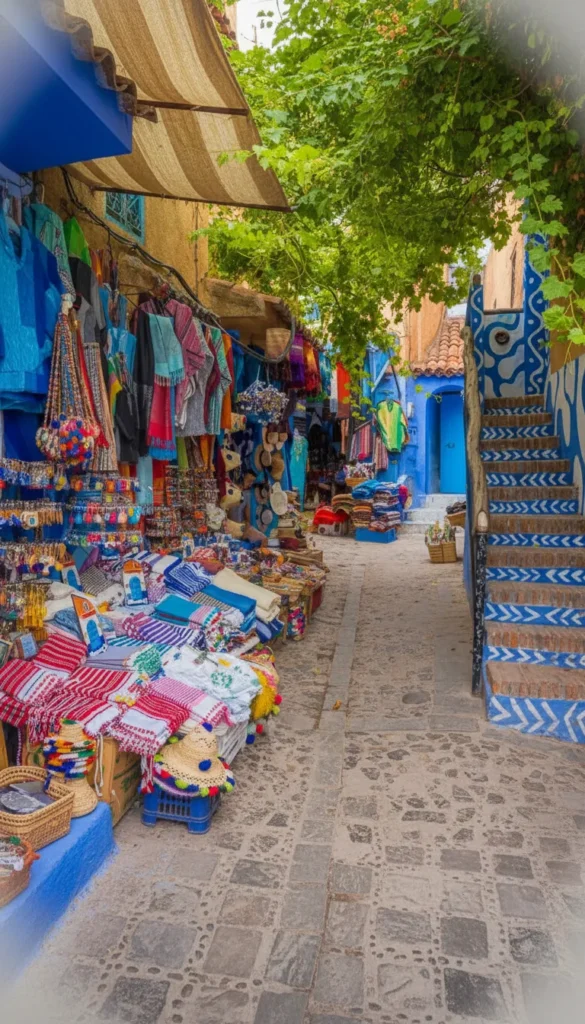
- Woven Blankets & Textiles: You’ll see colorful blankets (often in stripes of red, white, and blue) hanging everywhere.
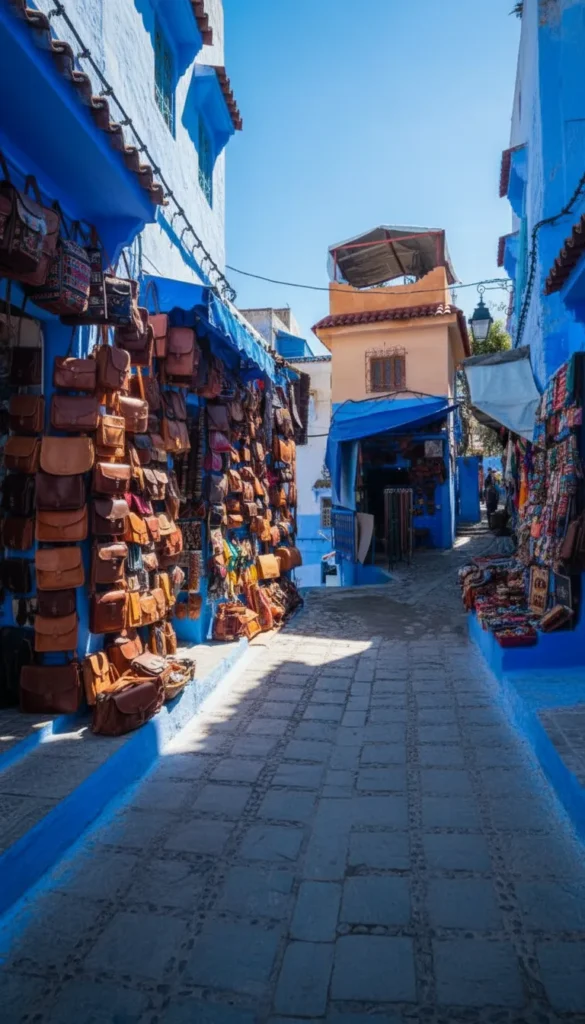
- Leather Goods: Chefchaouen has a long history of leatherwork. You can find high-quality bags, belts, and babouches (slippers) for good prices.
- Handmade Soaps & Pigments: Look for shops selling local argan oil, handmade soaps, and the powdered blue pigment used to paint the city.
A Note on Haggling: Bargaining is expected, but it’s done with a smile. It’s a polite negotiation, not an argument. Start by offering around 50-60% of the asking price and find a middle ground you’re both happy with.
Practical Tips & Cultural Etiquette
| Topic | Advice |
|---|---|
| What to Wear | As Chefchaouen is a more conservative, rural town, respectful dress is key. Both men and women should aim to cover their shoulders and knees. Loose-fitting clothing like linens, long skirts, and t-shirts (not tank tops) are perfect. |
| Safety | Chefchaouen is widely considered one of the safest cities in Morocco, including for solo female travelers. Use standard precautions: don’t walk alone in unlit alleys late at night and be aware of your surroundings. |
| Language | The main languages are Moroccan Arabic (Darija), French, and Spanish (due to its proximity to Spain). English is widely spoken in hotels and restaurants. |
Basic Arabic & French Phrases
- Hello: As-salamu alaykum (Arabic) / Bonjour (French)
- Thank You: Shukran (Arabic) / Merci (French)
- No, Thank You: La, shukran (Arabic) / Non, merci (French)
- How Much? Kaddesh? (Arabic) / Combien? (French)
- Goodbye: Beslama (Arabic) / Au revoir (French)
Sample Itineraries
The Perfect 24 Hours in Chefchaouen
- Morning: Arrive, check into your riad. Get lost in the medina for 2 hours.
- Afternoon: Lunch at Plaza Uta el-Hammam. Visit the Kasbah Museum.
- Evening: Hike to the Spanish Mosque for sunset.
- Night: Enjoy a relaxing tagine dinner on a rooftop terrace.
A Relaxing 3-Day Itinerary
- Day 1: Arrive and settle in. Spend the afternoon wandering the medina, followed by the Spanish Mosque sunset hike.
- Day 2: Take a day trip to Akchour Waterfalls. Return in the late afternoon for a traditional hammam experience.
- Day 3: Enjoy a slow morning of souvenir shopping and photography in the medina. Have a final mint tea in the plaza before departing.
Frequently Asked Questions (FAQ)
Why is Chefchaouen Morocco blue?
As covered above, there are several theories! The most popular is that it was painted blue by Jewish refugees in the 15th century to symbolize heaven and God’s presence.
How to get to Chefchaouen Morocco?
The best ways are by CTM bus or grand taxi from major cities like Tangier (2.5-3 hours) or Fes (4-4.5 hours). There is no train station or airport.
Where is Chefchaouen in Morocco?
Chefchaouen Morocco is located in the northwest of the country, nestled high in the Rif Mountains. Its closest major city is Tangier.
What to do in Chefchaouen Morocco?
The main activities are exploring the blue medina, hiking to the Spanish Mosque for sunset, visiting the Kasbah, shopping for local crafts, and taking day trips to places like Akchour Waterfalls.
Your Blue Pearl Adventure Starts Now!
To make the most of every minute in Chefchaouen and experience the best it has to offer without the stress of planning, discover and book the top-rated tours and activities here (including organized day trips to Akchour Waterfalls and guided medina tours).
- Post Title: Ultimate Morocco Travel Itinerary: 7,10,14-Day Adventures
- Post Title: Flight Time to Morocco from New York – Quick & Easy Flights
- Post Title: Activities to Do in Morocco Marrakech – 21 Best Picks
- Post Title: The Ultimate Morocco Packing List: Your Perfect 2025 Guide
- Post Title: UK to Morocco Flight Time – Your Best 2025 Travel Guide
- Post Title: Morocco Trip Itinerary: 7 Secrets for a Flawless Trip
- Post Title: Ultimate Guide to the Best Places to Stay in Morocco (2025)
- Post Title: Flight Time to Morocco: Your Best Guide for 2025
- Post Title: Discover the Best Morocco Cities to Visit: Ultimate Guide
- Post Title: NYC to Morocco: The Ultimate 2026 Guide for a Dream Trip